Load path
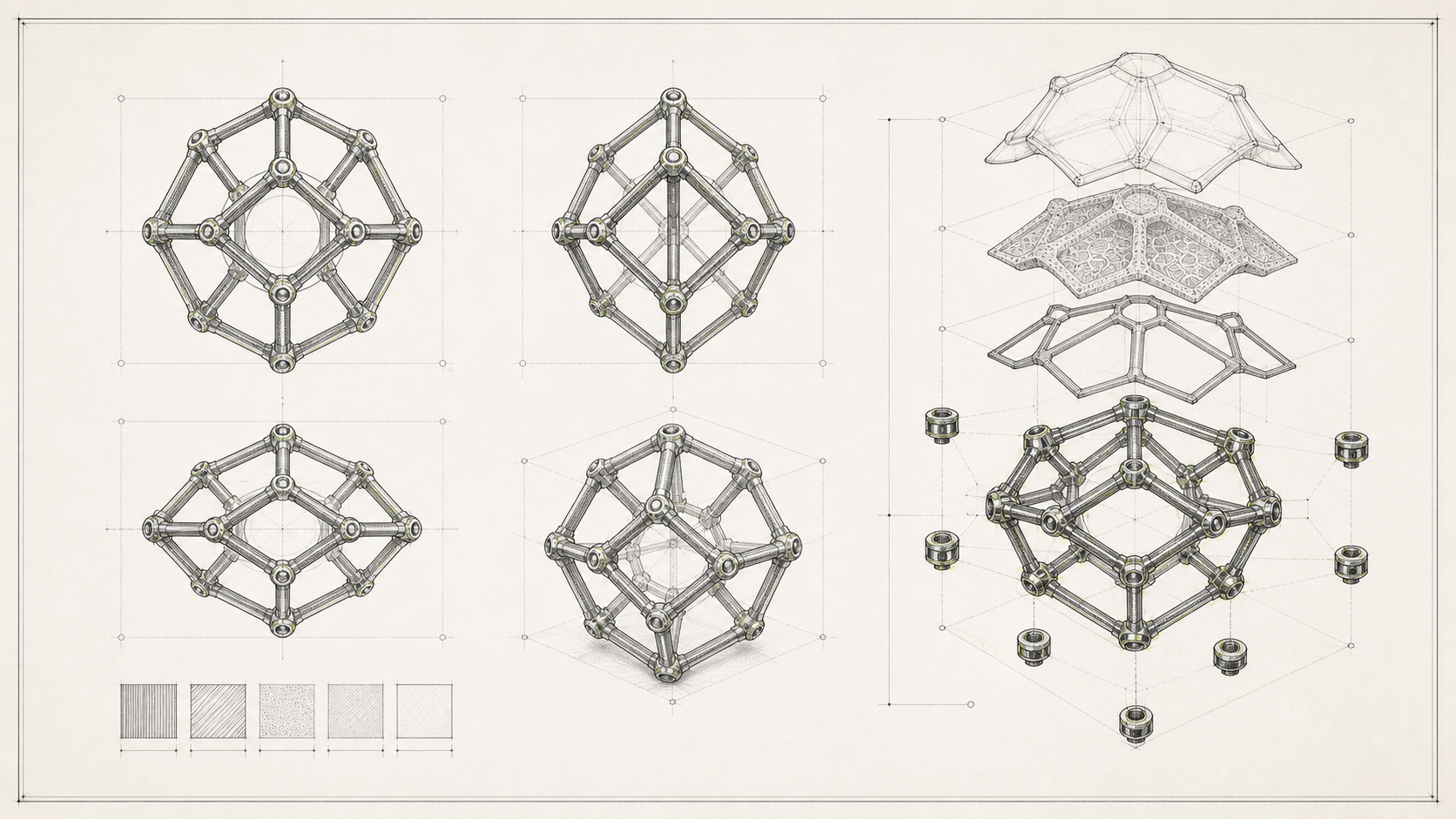
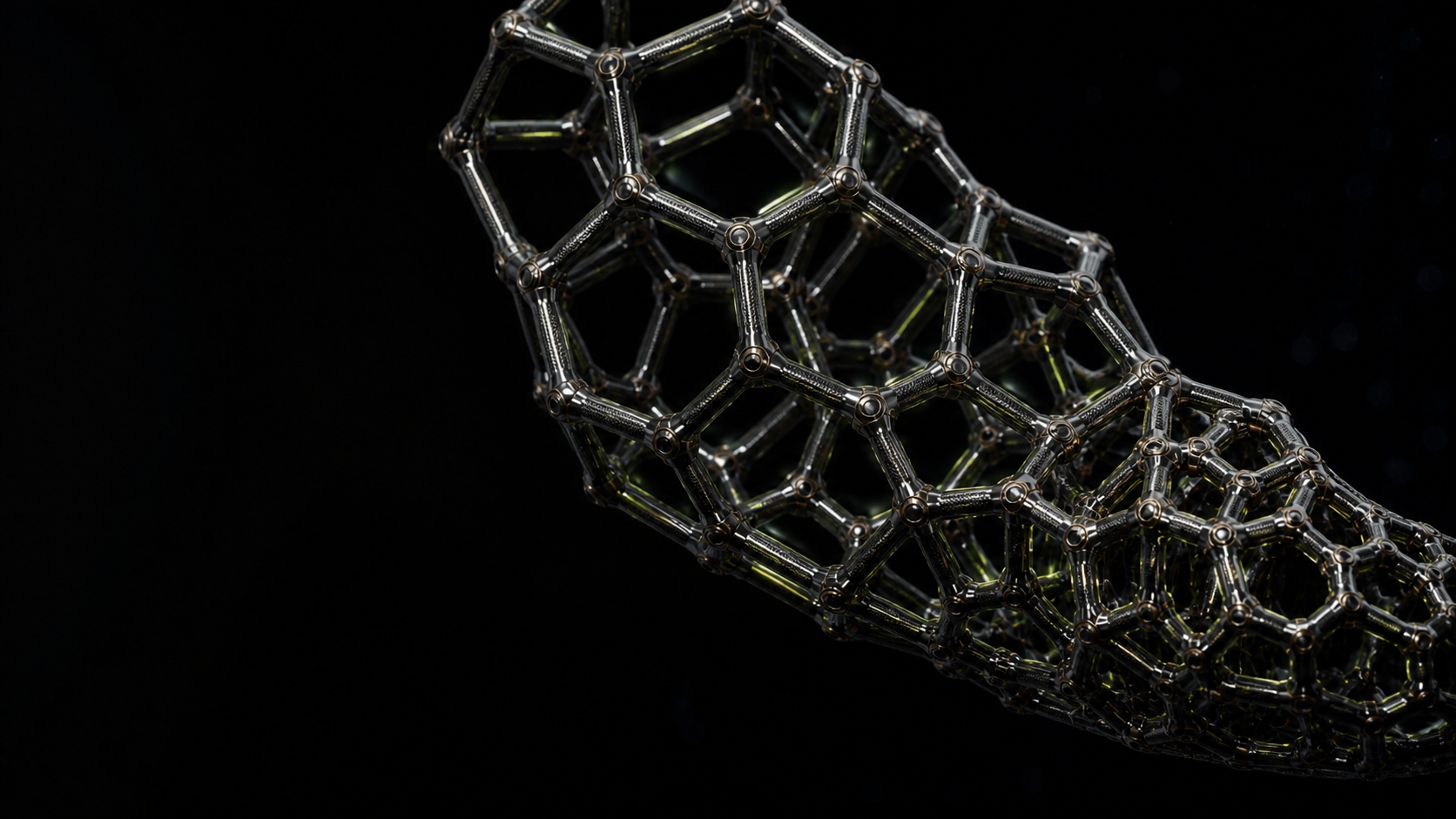
Rhombic cell lattice
A repeating, space-filling geometry routes force through many small struts instead of one vulnerable tendon.
DODEXA/Adaptive Matter
AETHER / Global material systemsConcept platform 01
Matter that moves.
Structure that returns.
A global research project for wireless, damage-tolerant robotic matter—built from local cells, regional factories, and federated field networks.
AddressMagnetic / inductive
MotionElectro-ionic / field
RecoveryAlign / bridge / verify
StatusGlobal research concept
00 / Position
DODEXA combines real research directions—porous actuation, magnetic response, dynamic bonding, and architected lattices—into one proposed platform. The combination is the hypothesis. The validation program is the product truth.
01 / Architecture
Each layer has one job. Together, they form a muscle-like load path that can be addressed, observed, and replaced in parts.
Unit cellDX / RD—01
Load path
A repeating, space-filling geometry routes force through many small struts instead of one vulnerable tendon.
Remote drive
Magnetically responsive junctions are proposed for untethered alignment, coarse motion, and broken-edge docking.
Precision drive
A low-voltage active coating is proposed to trim strain locally through charge-induced surface-stress changes.
Adaptive phase
A porous phase may use gas or vapor uptake to bias shape, tune stiffness, or add environmental sensing.
02 / Address modes
Choose a proposed drive mode to inspect its role in the system.
DODEXA—MUntethered / coarse
DODEXA—ELocal / precise
DODEXA—MECoordinated / dual
DODEXA—GEnvironmental / slow
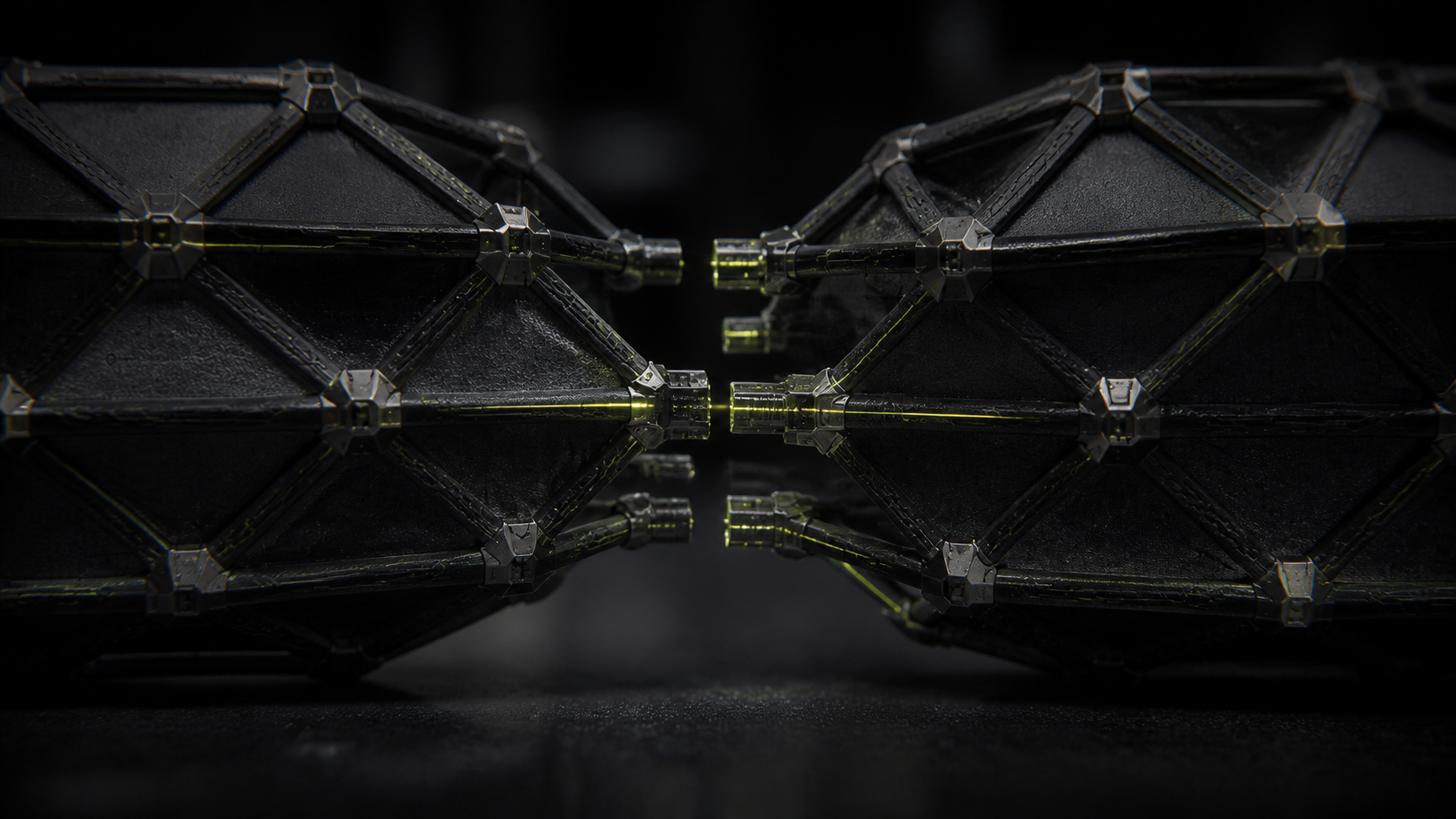
Concept studyDamage does not disappear. It becomes a managed state.
03 / Recombination
“Self-healing” is not a promise of instant full recovery. DODEXA proposes a four-stage repair sequence that ends with inspection—not faith.
Electrical and geometric discontinuity localizes the damaged cells.
Magnetic nodes guide compatible fracture faces back into registration.
Dynamic bonds and ionic redistribution are proposed to rebuild continuity.
The system measures recovered conductivity, motion, and load before reuse.
Until repeatable recovery is measured, damaged segments remain replaceable modules—not certified healed structure.
04 / Robot studies
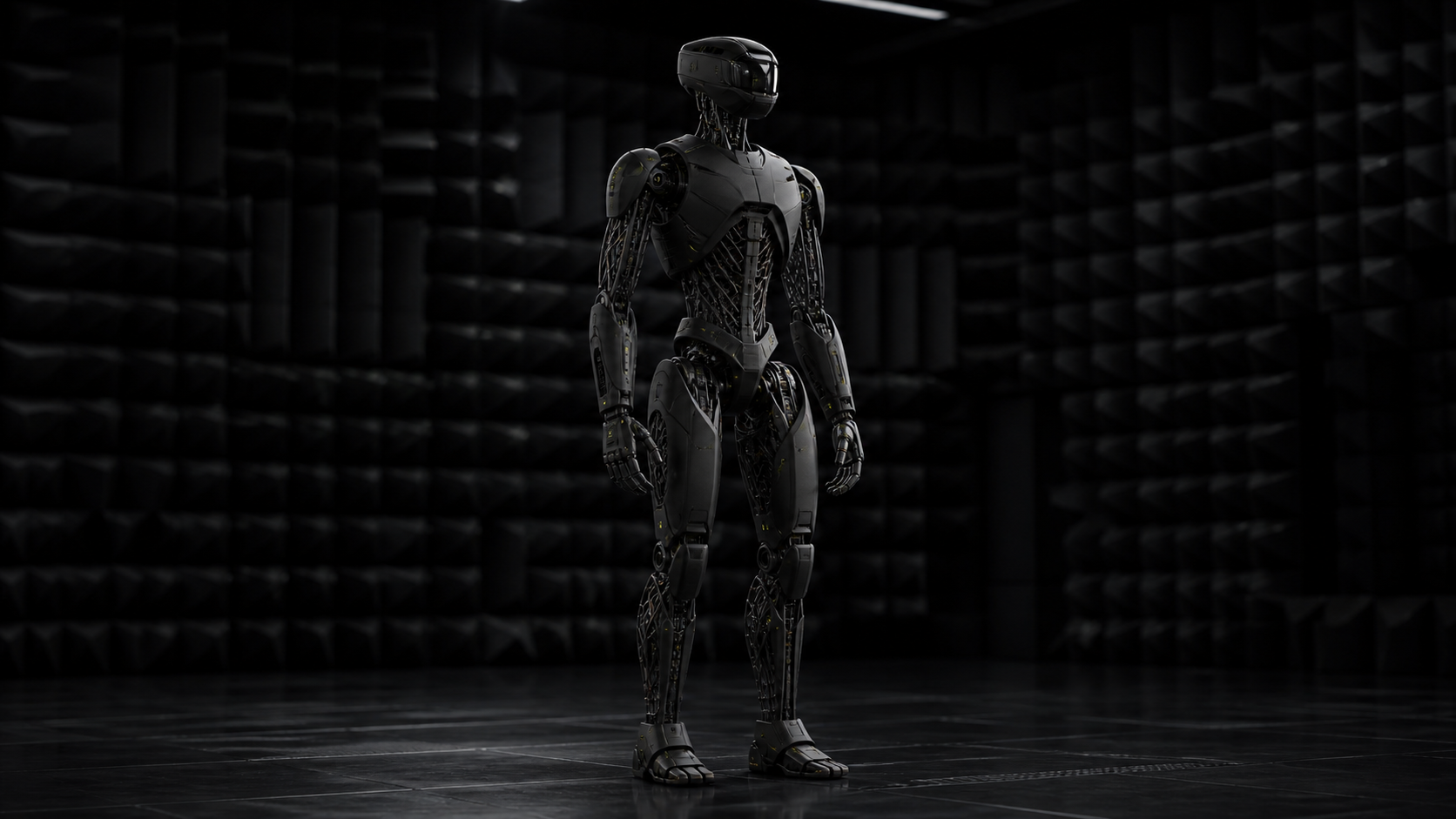
R—01DODEXA / ME
Damage-tolerant tendon bundles for robots working beyond easy maintenance reach.
Follow validation pathR—02DODEXA / E
Distributed compliant cells that conform around irregular or fragile objects.
Follow validation pathR—03DODEXA / M
Modular limbs designed to re-align locally and signal when a damaged segment must be replaced.
Follow validation path05 / Research archive
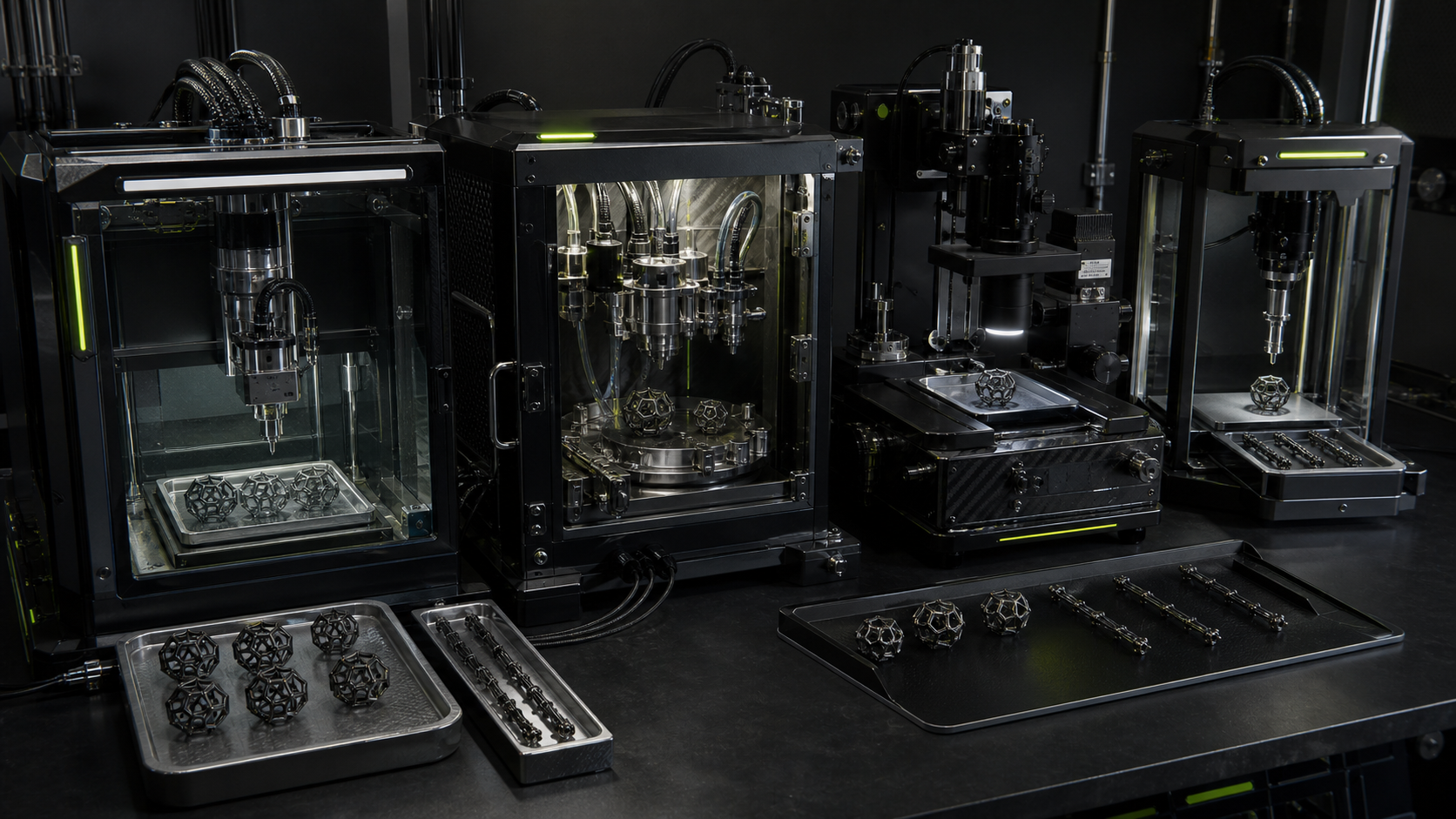
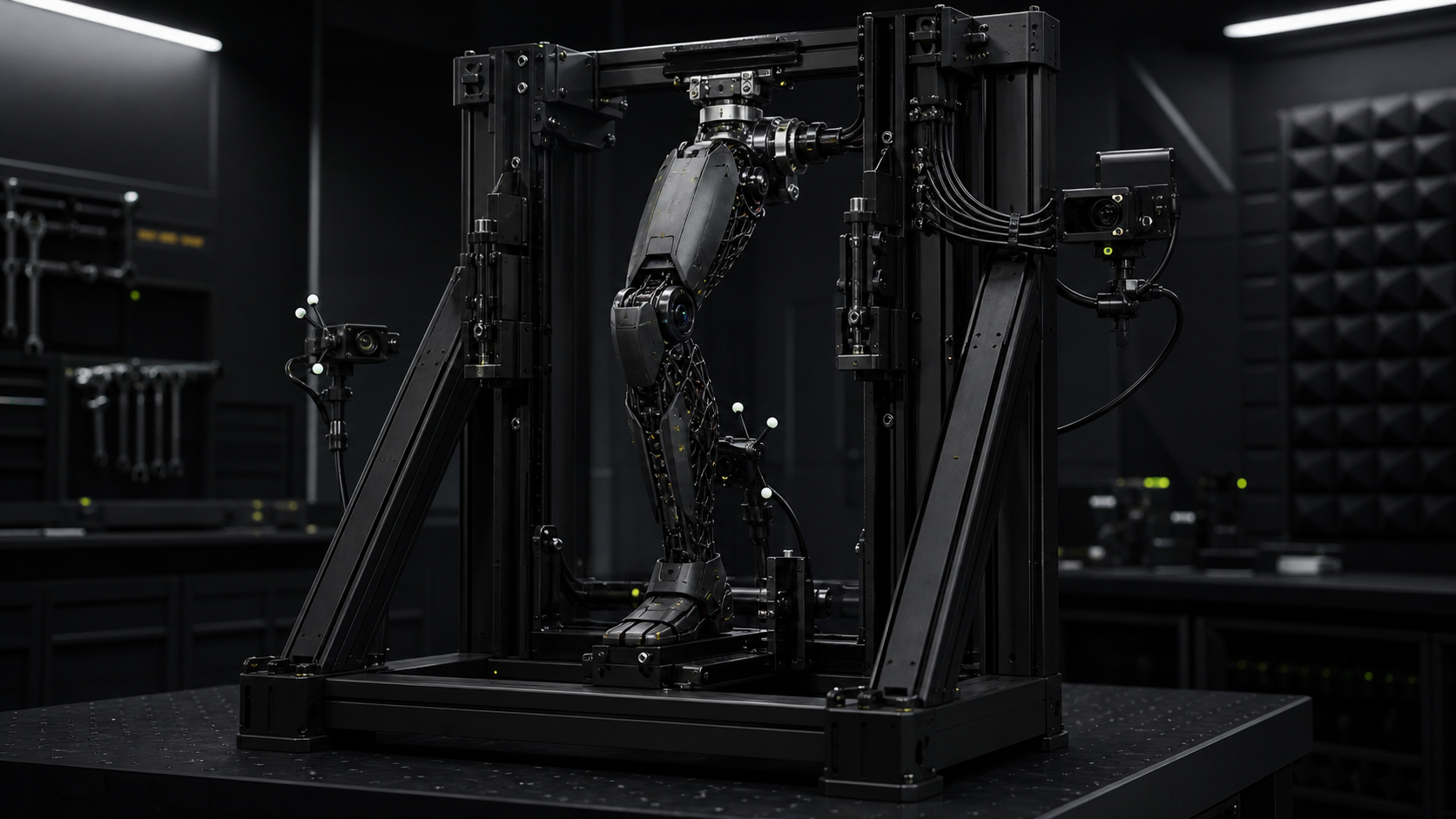
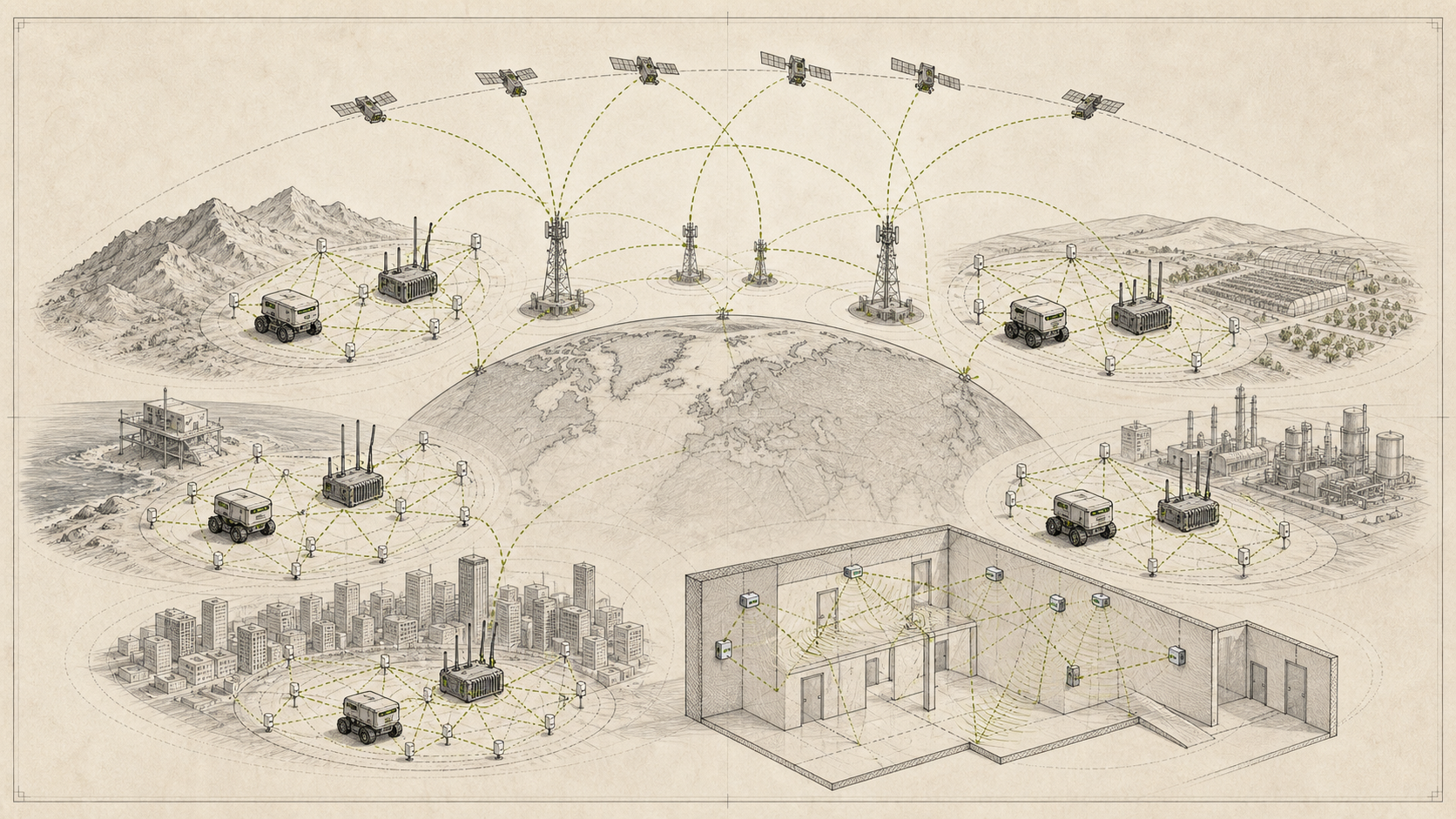
Follow the concept from material coupon to instrumented joint, inspect the drawing set, and enter the global network architecture that connects regional cells without centralizing their reflexes.
05 / Validation program
DODEXA advances only when the smallest specimen survives its gate. No robot render can substitute for the next measurement.
Measure reversible strain, force, thermal behavior, and electrical demand in isolated constituent samples.
Fabricate one repeatable rhombic cell and test docking tolerance, fatigue, and failure localization.
Combine cells into a load-bearing tendon and quantify rate, work density, and recovered strength after damage.
Integrate one instrumented robotic joint before any claim of practical artificial-muscle performance.
06 / Evidence boundary
Porous metals can actuate through surface stress; flexible frameworks can “breathe”; magnetic soft materials can respond remotely; dynamic bonds can restore portions of a damaged interface.
DODEXA is the design name for combining those behaviors inside a repeating, load-bearing robotic muscle cell. It is not presented as an existing material or commercial product.
Useful strain, force, rate, energy cost, field exposure, heat, fatigue, gas safety, recovery strength, manufacturability, and lifecycle all require measurement.
Research constellation / primary literature
AETHER / DODEXA / CONCEPT 01